

New Zealanders Interconnected Smoke Alarm Regulation
The Ministry of Business, Innovation and Employment has implemented an update to the Building Code, which will make homes in New Zealand safer. Starting from 01 November 2024, it will be mandatory for all new homes to have a Type 1 Smoke Alarm System. The new code, C1-C6 Protection from Fire – Acceptable Solution C/AS1, released by MBIE on 02 November 2023, requires that every household unit must have a minimum Type 1 domestic smoke alarm system in compliance with NZS 4514.
A Type 1 Smoke Alarm System comprises interconnected smoke alarms, each equipped with a smoke detector and an alarm sounding feature. MBIE explains that interconnected smoke alarms help occupants detect and respond to a fire in a faster, more efficient manner, providing them with sufficient time to evacuate.
NZS 4514:2021 states that smoke alarms must be installed in all living rooms, bedrooms, hallways, and landings within buildings.
Interconnected smoke alarms work by sending signals between the devices in a house. If a fire is detected by one smoke alarm, all the interconnected alarms in the household will sound an alarm, notifying occupants who may be sleeping or further away from the source.
From 01 November 2024, any previous versions of acceptable solutions and verification methods will no longer be deemed compliant with the Building Code. During construction, new buildings can have hard-wired interconnected smoke alarm systems installed. Homeowners can upgrade to the new Building Code requirements during renovations by utilizing battery-operated, wireless interconnected smoke alarm systems that do not require a home rewiring.
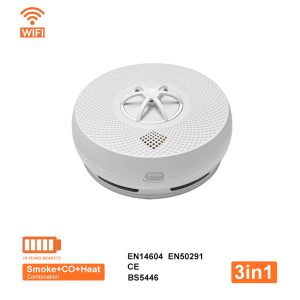
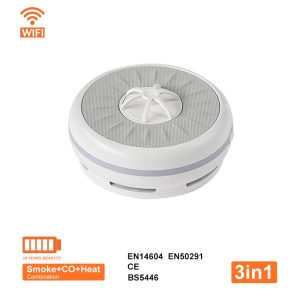
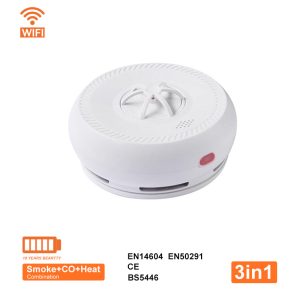
Know more about ANKA smoke alarms, which are 100% compliant with EUROPEN Certifications.

connected smoke and co







Leave A Comment