

Fire alarms and smoke alarms are two critical components of a fire detection system that help protect buildings from the danger of fires. They both play important roles in alerting occupants to a potential fire, but they function differently and are designed to detect different aspects of a fire.
Fire alarms
The fire alarm is a device that detects a fire in its early stages and generates a warning signal to alert building occupants of the presence of potential danger. This type of alarm comprises various components that work together to detect fire, such as heat detectors, smoke detectors, manual pull stations, and sprinkler flow switches. They mainly a whole system and using AC mains power.
Heat detectors are used to sense excess heat within the building. They are typically installed in attics, garages, and storage areas, where fires can start as a result of overheating equipment or electrical faults. There are two types of heat detectors: fixed temperature detectors and rate-of-rise detectors.
Smoke detectors are another component of a fire alarm. Smoke detectors can detect the presence of smoke and alert building occupants to the potential danger. Smoke detectors can be either ionization-based detectors or photoelectric-based detectors.
Manual pull stations are used to manually signal a fire alarm. The pull station is typically installed in a conspicuous location near the exit or stairway of the building. In the event of a fire, occupants can pull the fire alarm to trigger the warning signal.

Finally, sprinkler flow switches are used to trigger a fire alarm when the sprinkler system is activated. When a fire is present, the water flow through the pipes and triggers the flow switch, which triggers the fire alarm.
Smoke alarms
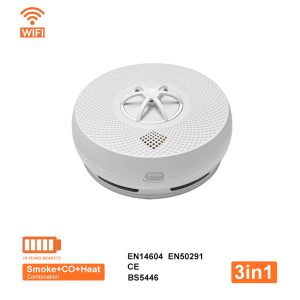
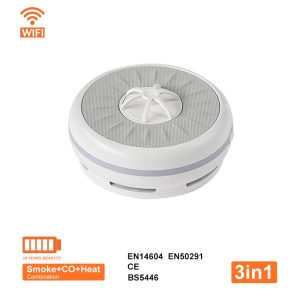
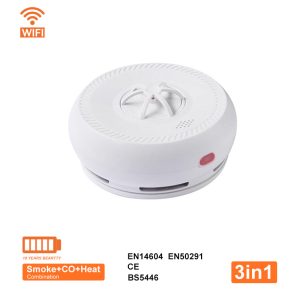
Smoke alarms, unlike fire alarms, are devices designed to detect smoke and alert occupants of potential fire danger. Smoke alarms function by using either ionization technology, which detects small particles created by fast-burning fires, or photoelectric technology, which detects larger particles created by slower, smoldering fires. ANKA offers various models of Smoke Alarms powered by 10 years batteries, and with certifications for Global Market.
Photoelectric smoke alarms are useful in detecting smoldering fires, which can occur in an electrical appliance or wiring. Unlike, ionization smoke alarms, they can detect larger particles in the air, such as smoke or dust.
Smoke alarms are standalone devices that can be battery-operated or hardwired to the home’s electrical system. They can also be interconnected, enabling all alarms to sound when even one sounds.

Differences between fire alarms and smoke alarms
While both smoke alarms and fire alarms are important components of a fire detection system, they serve different purposes and detect different hazards. Smoke alarms detect smoke, while fire alarms detect heat or fire. Smoke alarms are required to be installed in every bedroom of any dwelling unit, while fire alarms are required when there are three or more units in a building.
Another significant difference between smoke alarms and fire alarms is how they are powered. Most residential smoke alarms are battery-operated, but they can be hardwired into the home’s electrical system. In contrast, fire alarms always need to be hardwired into the building’s electrical system.
Smoke alarms are useful in homes, apartments, and other small buildings. Fire alarms, on the other hand, are designed for larger commercial or industrial buildings that require more extensive fire safety measures.
Smoke alarms and fire alarms are essential components of a fire detection system that play critical roles in keeping families and businesses safe from fire hazards. They function in different ways and are designed to detect different aspects of a fire. Smoke alarms are standalone devices that detect smoke, while fire alarms are composed of various components that detect fire and other hazards. By combining both smoke alarms and fire alarms in a building, building owners can ensure their buildings are well-equipped with the necessary fire protection measures to protect their occupants and property from the dangers of fire.









Leave A Comment