

When it comes to home security, few devices are as crucial as reliable smoke and carbon monoxide detectors. These silent guardians work 24/7 to alert you to the two most dangerous threats facing your home: fire and invisible, odorless carbon monoxide (CO) gas. But with so many options on the market, how do you choose the smoke and carbon monoxide detector that best suits your needs? This guide will walk you through the basic features, types, and considerations to ensure you make an informed decision.

Why Combination Detectors Are a Smart Choice
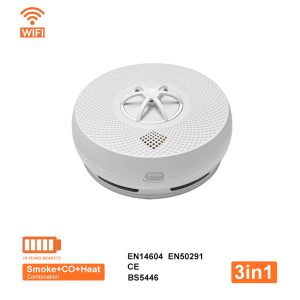
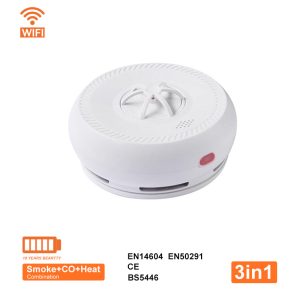
Many security experts recommend using combination devices that protect against both smoke and carbon monoxide. These dual-function devices offer comprehensive protection, simplify installation, and are more cost-effective than purchasing two separate devices. The best smoke and carbon monoxide detector models seamlessly integrate these two sensing technologies, providing a complete security solution for any home.
Key Features to Look for in the Best Detector
When searching for the best smoke and carbon monoxide detector, prioritize the following essential features:
Dual sensor technology: Look for a combination of photoelectric smoke sensing (ideal for smoldering fires) and electrochemical CO sensing (the most accurate for carbon monoxide). Interconnectivity: The ability to connect multiple detectors so that when one alarm sounds, all sound. This is crucial for large homes or multi-story buildings.
Battery backup: This is a must-have feature to ensure continued protection during a power outage. Many of the best smoke and carbon monoxide detectors are equipped with long-life lithium batteries with a lifespan of up to 10 years.
Voice Alarm: Advanced models specify the type of hazard (“Fire!” or “Carbon Monoxide!”) and its location, which can save crucial seconds in an emergency.
Digital Display: Some advanced detectors display real-time CO levels in parts per million (PPM), helping you identify developing problems before they become severe.
Placement and Installation Tips: Even the best smoke and carbon monoxide detectors are ineffective if not installed correctly. Place detectors on every level of your home, including the basement and outside all sleeping areas. For carbon monoxide detection, mount the unit at knee height (because CO has roughly the same density as air) or follow the manufacturer’s recommendations. Avoid placing detectors near windows, doors, or ventilation ducts, as drafts may dilute the gas concentration.
Smart Detectors: The Next Generation of Home Security
Modern smart detectors represent the cutting edge of home security. These Wi-Fi-enabled devices can send alerts directly to your smartphone, whether you’re home or away. Many smart home systems can integrate with other smart home systems, allowing them to automatically turn on lights or shut down the HVAC system in an emergency to prevent the spread of smoke and carbon monoxide. For tech-savvy homeowners, these smart features may make them the best smoke and carbon monoxide detectors available today.
Maintenance and Testing
Your responsibility doesn’t end with installation. The best smoke and carbon monoxide detectors require regular testing and maintenance. Test all detectors monthly by pressing the test button. Replace the batteries according to the manufacturer’s instructions (usually annually unless you have a 10-year sealed battery unit). All detectors have a limited lifespan, typically 7-10 years, after which they should be completely replaced as their sensors degrade over time.







Leave A Comment