

A kitchen smoke alarm is typically a heat detector. Smoke alarm for kitchen it looks like a typical smoke detector but is less susceptible to false alarms from cooking byproducts like steam or smoke because it is triggered by a rapid rise in temperature. They can be hardwired to the mains power supply, use long-life, non-replaceable batteries, or be interconnected so that all units sound simultaneously, even if a fire is occurring in another part of the home.

Heat Detector Appearance
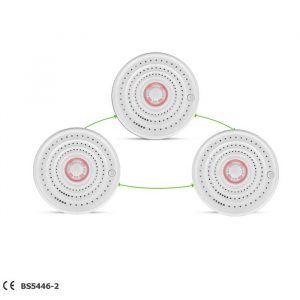
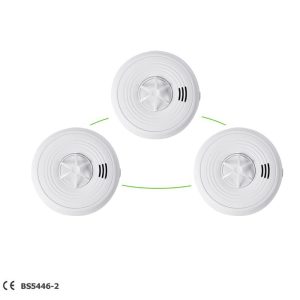
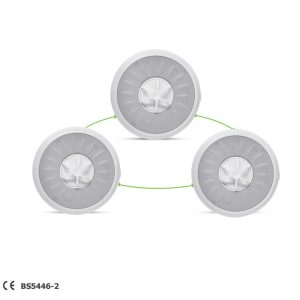
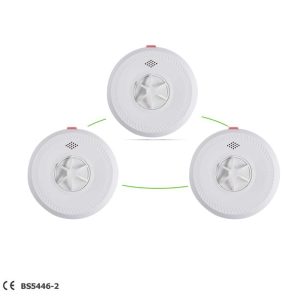
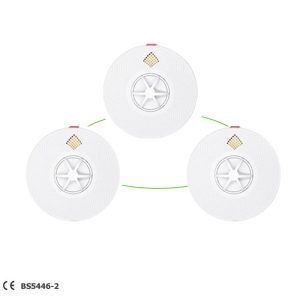
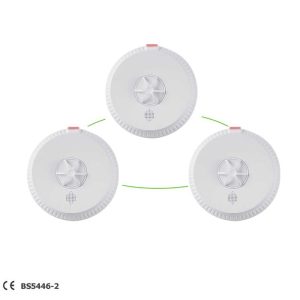
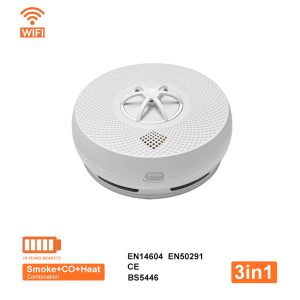
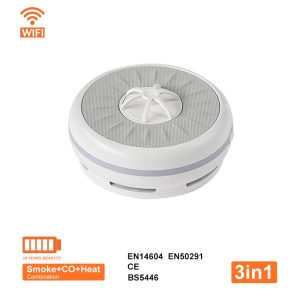
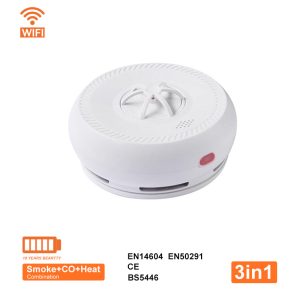
Shape and Size: Kitchen heat alarms typically have the same appearance as standard smoke alarms—a round, low-profile disc typically mounted to the ceiling.
Color: They are typically white, though some models come in other colors.
Indicator: A small LED will flash to indicate the alarm is powered and functioning properly.
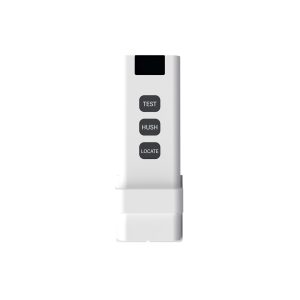
Test/Silence Button: Most alarms have a button for testing the alarm and temporarily silencing it if triggered by cooking smoke.
Sounder: A built-in sounder will sound a loud alarm when the temperature limit is reached.
Heat Detector Functions
Heat Detection: Unlike standard smoke alarms, which can be triggered by steam and smoke from cooking, heat alarms are designed to activate when the room temperature reaches a preset limit.
Resistant to false alarms: Because they react to high temperatures rather than smoke particles, heat alarms are ideal for kitchens to avoid nuisance alarms caused by normal cooking activities.
Interconnected System: You can connect a heat alarm to smoke alarms in other parts of the house. If the kitchen heat alarm is triggered, it will cause all smoke alarms in the house to sound, providing a comprehensive alarm system.
Where to Place a Heat Detector
Mounting: Heat alarms are typically mounted on the ceiling in the center of the room.
Proximity to Cooking: They should be installed at the recommended distance from cooking appliances to detect the rapid rise in temperature of a fire without being triggered by everyday cooking.







Leave A Comment