

Protecting your home requires a modern approach to safety. A combination smoke and carbon monoxide (CO) detector is an all-in-one device designed to safeguard your family from two invisible household threats: fire and toxic gas leaks. By merging two essential functions into a single unit, these detectors provide comprehensive coverage with fewer devices on your ceiling.

What is a Combination Smoke and Carbon Monoxide Detector?
A combination smoke and carbon monoxide detector is a dual-sensor device capable of detecting both smoke particles and carbon monoxide gas in the air.
- Smoke Detection: Designed to sense smoke, which is a primary indicator of a developing fire.
- Carbon Monoxide Detection: Designed to detect CO, a colorless, odorless, and highly dangerous gas that can be deadly if inhaled in high concentrations.
These devices are particularly useful in modern homes with gas appliances, fireplaces, or attached garages where carbon monoxide can build up due to inadequate ventilation.
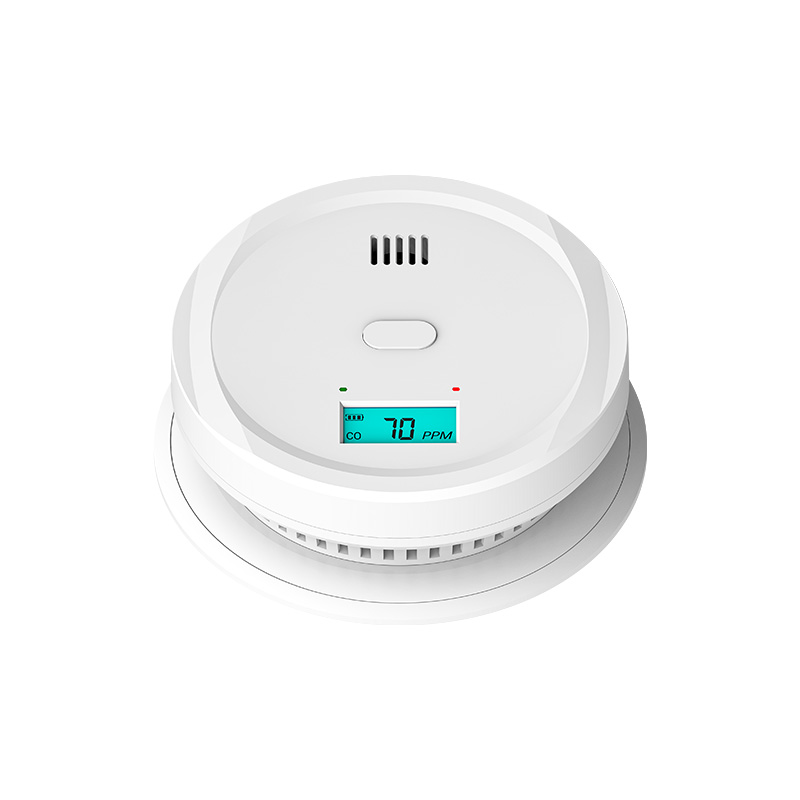
Differentiating Between Carbon Monoxide Alarms and Smoke Alarms
While they share the same plastic housing, a combination unit uses different sensors to monitor for smoke and CO independently. This ensures accurate detection without false positives from the other trigger.
One of the most critical safety features of a combo detector is its alert system. These units are programmed with two distinct alarm sounds—one specific pattern for smoke and a different tone or voice alert for carbon monoxide. This allows you to immediately identify the threat and take the correct emergency action.
Regarding power, these detectors are usually available in two formats: easy-to-install battery-powered models, or hardwired units that connect directly to a home’s electrical system.

Where is the Best Place to Install a Combo Detector?
To ensure maximum protection, proper placement is key. Safety experts recommend the following installation guidelines:
- Every Level: You should have a combination detector installed on every level of your home, including the basement.
- Near Bedrooms: Place units in hallways just outside sleeping areas so the alarm can wake you up.
- High-Risk Areas: Install near attached garages, gas-fired furnaces, or fireplaces.
- Avoid False Alarms: Keep them away from overly humid bathrooms and at least 10 feet from kitchen stoves.
The Advantage of WiFi Combination Detectors
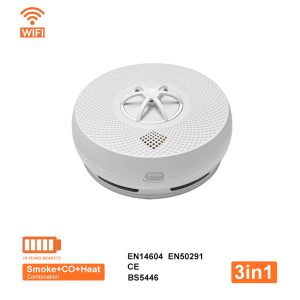
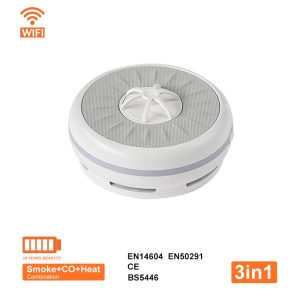
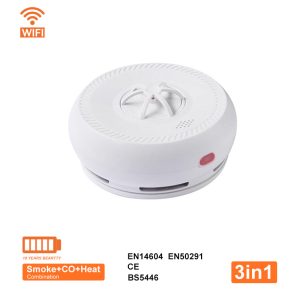
A WiFi combination smoke and carbon monoxide detector elevates your home security. By connecting to your home network, these smart devices send instant alerts to your smartphone, notifying you of potential fire or CO dangers even when you are away from home.






Leave A Comment