

In recent years, wireless smoke alarms have surged in popularity across Australian homes and businesses. Their convenience, advanced features, and compliance with modern fire safety regulations make them a superior choice over traditional wired systems. But how exactly do these devices work, and are they truly reliable? This comprehensive guide explores everything you need to know about interconnected wireless smoke alarms—and why Anka Sci-tech stands out as a leading manufacturer in this space.

How Do Wireless Smoke Alarms Work?
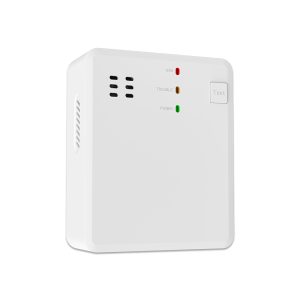
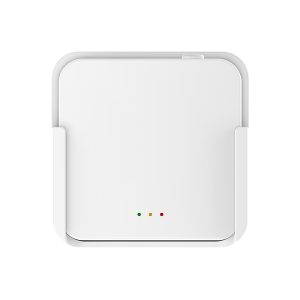
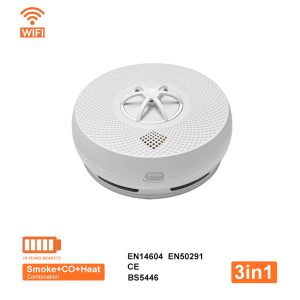
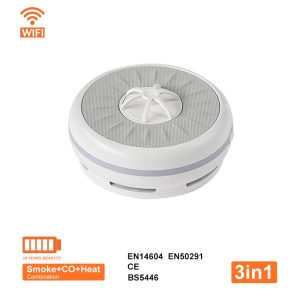
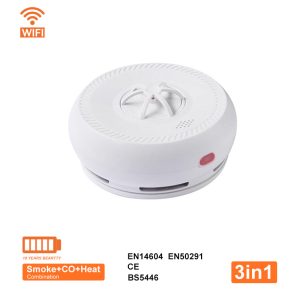
Wireless smoke alarms, commonly known as interconnected smoke alarms, use radio frequency (RF) or Wi-Fi technology to create a unified safety network. When one unit detects smoke or fire, it transmits a signal to every other connected alarm, triggering them to sound simultaneously. This ensures that all occupants are alerted instantly, regardless of where the fire starts.
Key operational features include:
- Seamless Connectivity: No complex wiring needed, making installation faster and more cost-effective.
- Real-Time Network Alerts: Instant notification across all connected devices within seconds of detection.
- Smart Home Integration: Compatibility with smart home systems for remote monitoring and control via smartphone.

Top Benefits of Wireless Smoke Alarms for Australian Properties
Compared to conventional wired detectors, wireless systems offer distinct advantages tailored to Australian living:
- Effortless Installation: No invasive drilling or extensive cabling required, reducing labour costs and property damage.
- Unmatched Flexibility: Ideal for retrofitting in older homes, rented properties, or hard-to-reach areas.
- Enhanced Whole-Home Safety: Interconnected alarms guarantee everyone is warned immediately, even if the fire starts in an isolated area like a basement or garage.
- Full Compliance: Certified wireless alarms meet the rigorous requirements of AS 3786:2014, the Australian Standard for smoke alarms.
Australian Standards & Certification: Is Your Alarm Compliant?
For a smoke alarm to be legally installed in Australia, it must comply with AS 3786:2014. This standard certifies that the device is reliable, durable, and capable of providing early warning in the event of a fire. Reputable wireless smoke alarms often carry additional certifications, including UKCA and ActivFire, further validating their quality and performance.
When sourcing products, always verify that your supplier provides units tested by both in-house quality control teams and third-party certification authorities.

Why Choose Anka Sci-tech as Your Wireless Smoke Alarm Manufacturer?
Since 2007, Anka Sci-tech Co., Limited has been a professional smoke detector manufacturer specializing in fire alarm and home security production. With 19 years of industry experience, Anka combines advanced manufacturing capabilities with innovative R&D to deliver smarter, safer designs. Here’s what sets us apart:
- Proven Manufacturing Excellence: Equipped with a modern production base, advanced machinery, and 300 skilled workers, we ensure consistent quality and large-scale output.
- Certified & Reliable Products: Our wireless smoke alarms are fully compliant with AS 3786:2014, UKCA, and ActivFire standards, guaranteeing long-lasting performance and early fire detection.
- Customization & OEM Services: We provide tailored solutions, wholesale services, and OEM cooperation to meet diverse project requirements.
- Rigorous Testing: Every product undergoes extensive testing by our professional QC team and third-party authorities before delivery.
- Comprehensive After-Sales Support: A dedicated after-sales team provides 24-hour assistance, backed by a 2-year warranty on all products.
Whether you need bulk wholesale, custom designs, or technical consultation, Anka Sci-tech is your trusted partner for fire safety solutions.

Expert Installation Tips for Wireless Smoke Alarms
To maximize the effectiveness of your interconnected smoke alarm network, follow these best practices:
- Strategic Placement: Install alarms in every bedroom, hallway, and living area, following Australian fire safety guidelines. Avoid kitchens and bathrooms to prevent false alarms.
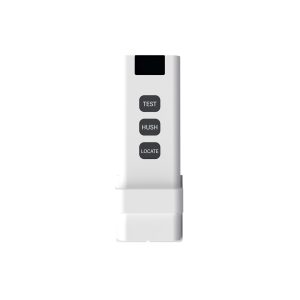
- Regular Testing: Test all alarms monthly by pressing the test button to confirm they communicate correctly.
- Battery Maintenance: Replace batteries annually or choose models with sealed 10-year lithium batteries for long-term peace of mind.
- Professional Setup: For optimal network performance and compliance, consider hiring a licensed electrician or fire safety expert.






Leave A Comment