

Short answer: No, a standard smoke detector cannot detect natural gas or carbon monoxide (CO) leaks. These devices are engineered specifically to sense smoke particles from a fire, not airborne chemicals or explosive gases.

Why Your Smoke Detector Won’t Detect Gas
It comes down to basic sensor technology. While they all hang on your ceiling, these devices are built for entirely different jobs:
- Different Sensors: Smoke detectors use photoelectric (light beams) or ionization (electrical current) technology to find smoke. Gas detectors use electrochemical or semiconductor sensors to identify specific gas molecules.
- No Cross-Talk: A smoke detector ignores methane and carbon monoxide. Conversely, a CO detector will not sound for a fire. They are “blind” to each other’s triggers.
The 3 Detectors Every Home Needs
For complete home safety, you must install separate devices for these three distinct hazards:
- Smoke Detectors: Essential for alerting you to flames and smoke.
- Carbon Monoxide (CO) Detectors: Vital for detecting “The Silent Killer”—a toxic, odorless gas produced by furnaces, stoves, and cars.
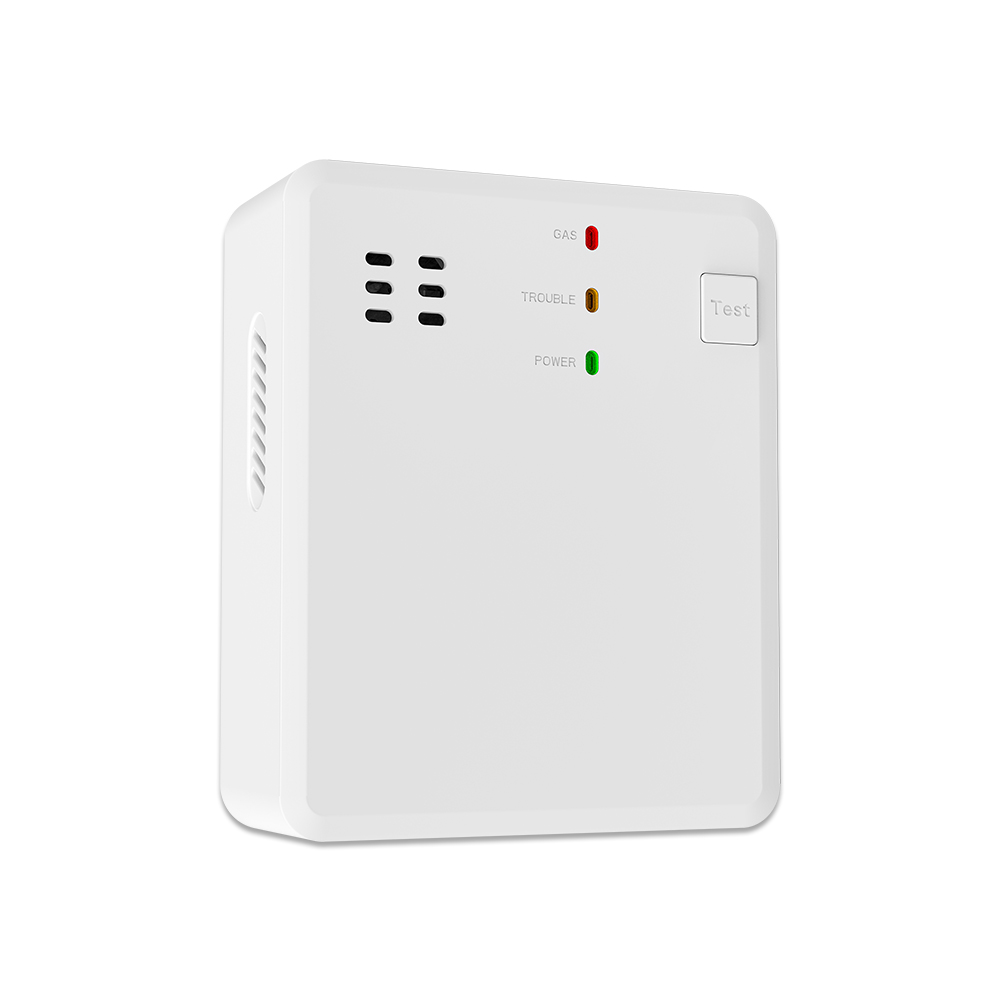
- Natural Gas / Propane Detectors: Crucial if you have gas appliances. While utility companies add a “rotten egg” smell (mercaptan), it can fade over time or fail to reach you while you are sleeping.

Can I Buy a Combination Unit?
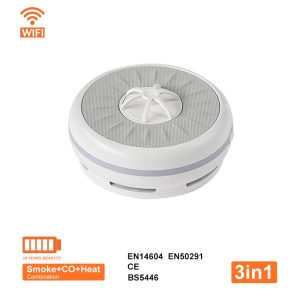
Yes. Anka offer Smoke & CO Combination Detectors. However, be aware: most combination units do NOT detect natural gas or propane. If you have gas lines, you almost always need a third, separate device specifically for combustible gas detection.
🔥 Safety Installation Tips
- Smoke Detectors: Install on every level of the home and inside every bedroom.
- CO Detectors: Place near sleeping areas and on every level.
- Gas Detectors: Install higher than other detectors (natural gas rises) and within 5–20 feet of potential leak sources (e.g., water heaters, stoves, furnaces).
- Test Monthly: Press the “Test” button on all devices once a month.
Will a smoke detector go off if you leave the gas stove on?
Generally, no. Unless the stove burner flames produce enough smoke or soot to enter the sensor chamber, the smoke alarm will not activate. This is why a dedicated natural gas detector is necessary.










Leave A Comment