

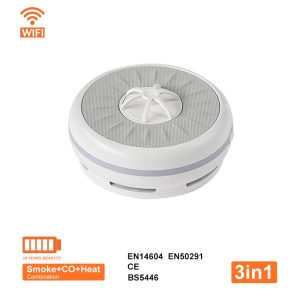
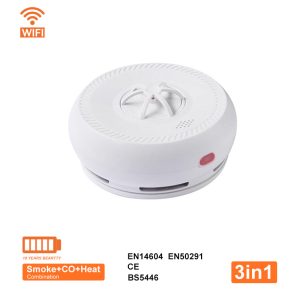
Wireless smoke alarms are a great option for fire safety, offering easy installation and flexible placement, but they do have potential drawbacks, such as battery dependency and possible signal interference. Modern wireless systems are generally reliable and a good solution for many homes, especially those with older wiring or where aesthetics are a concern.
Advantages of Wireless Smoke Alarms
- Ease of installation: Wireless smoke alarms are generally easier and quicker to install than wired alarms because they don’t require wiring to be run through walls or ceilings.
- Flexibility: They can be placed in more locations without requiring proximity to power outlets or wiring, making them suitable for a wide range of property types.
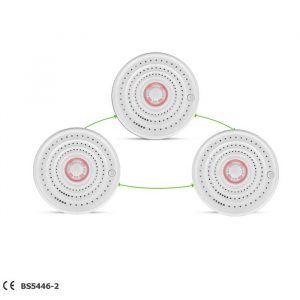
- Interconnectivity: Many wireless smoke alarms can be interconnected so that when one alarm goes off, all the alarms in the system will sound, providing whole-home coverage.
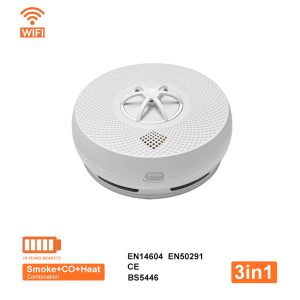
- Potential for smart features: Some wireless alarms offer smart features such as smartphone alerts, voice notifications, and integration with smart home systems.
- Reliability: Modern wireless systems utilize robust communication protocols, are generally reliable, and some even use long-life batteries.
Potential Drawbacks of Wireless Systems
- Battery dependency: Wireless alarms rely on batteries, which need to be replaced periodically, and when the batteries run out, the entire unit may need to be replaced.
- Potential for Interference: Wireless signals can be susceptible to interference from other devices or environmental factors, which can disrupt the alarm’s communications.
- Cost: While installation costs may be lower, the initial cost of some wireless systems can be higher than a wired alarm due to the central control panel and additional equipment.
- Tampering: Wireless systems are more susceptible to tampering, as thieves may try to interfere with the signal.










Leave A Comment