

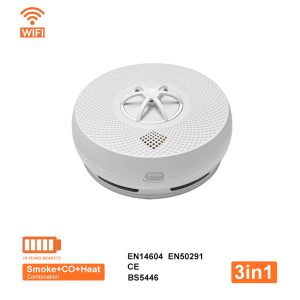
When selecting the best wireless interconnected smoke detectors, consider factors like ease of installation, interoperability, smart features, battery life, and compliance with safety standards. Here are some top options across different categories:

1. Best Overall: Nest Protect (2nd Gen)
Features:
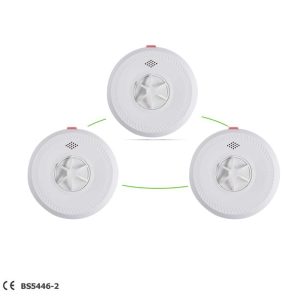
Wireless Interconnection: Connects with other Nest Protect units via Wi-Fi and Thread protocol (low-power mesh network).
Smart Alerts: Sends notifications to your phone and speaks alerts (e.g., “Smoke detected in the kitchen”).
Self-Testing: Automatically tests sensors and battery life.
Pathlight: Illuminates your way in the dark when motion is detected.
Split-Spectrum Sensor: Detects both fast-burning and smoldering fires.
Carbon Monoxide (CO) Detection: Built-in CO sensor.
Pros: Highly reliable, user-friendly app, long battery life (or wired option).
Cons: Pricier than basic models.
Best For: Smart homes, families wanting detailed alerts, and CO protection.
2. Best Budget-Friendly: First Alert Onelink Safe & Sound
Features:
Wireless Interconnection: Works with other Onelink devices via Wi-Fi.
Smart Home Integration: Compatible with Alexa and Apple HomeKit.
Built-in Speaker: Can play music or act as a smart speaker.
Voice Alerts: Announces the location of danger.
CO Detection: Includes a CO sensor.
Pros: Affordable for a smart detector, multi-functional.
Cons: Setup can be tricky for some users.
Best For: Budget-conscious buyers wanting smart features and CO protection.
3. Best for Easy Installation: Kidde Wireless Interconnected Smoke & CO Alarm
Features:
Wireless Interconnection: Uses RF (radio frequency) to connect up to 24 units.
Battery-Powered: No wiring needed; easy to install anywhere.
Voice Alerts: Announces the type of danger (fire or CO).
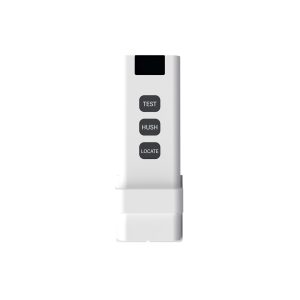
Hush Button: Silences nuisance alarms.
10-Year Battery: Long-lasting lithium battery.
Pros: Simple setup, no professional installation required.
Cons: Limited smart features compared to Nest or Onelink.
Best For: Renters or homeowners wanting a hassle-free, reliable system.
4. Best for Large Homes: Anka Security Wireless Interconnected Smoke & CO Alarm
Features:
Wireless Interconnection: Connects up to 50 units via RF.
LCD Display: Shows real-time CO levels and battery status.
Voice Alerts: Clearly announces the location of danger.
10-Year Battery: Long-lasting power.
Test/Silence Button: Easy to maintain.
Pros: Excellent for large properties, clear display, and affordable.
Cons: Less known brand compared to Nest or Kidde.
Best For: Multi-story homes or commercial spaces needing extensive coverage.
5. Best Smart Home Integration: Roost Smart Battery (for Existing Detectors)
Features:
Retrofit Solution: Turns any existing smoke detector into a smart one.
Wi-Fi Connectivity: Sends alerts to your phone when the alarm sounds.
Long Battery Life: 5-year lithium battery.
Easy Installation: Replaces the 9V battery in your current detector.
Pros: Cost-effective way to upgrade dumb detectors.
Cons: Doesn’t interconnect detectors wirelessly (only sends alerts).
Best For: Those on a tight budget who want smartphone alerts.
Key Considerations When Buying:
Interconnection Method: Wi-Fi, RF, or Thread (Nest’s protocol).
Power Source: Battery-operated (easier to install) or hardwired (more reliable).
Smart Features: App alerts, voice announcements, or integration with Alexa/Google Home.
Safety Standards: Look for UL 217 (smoke) and UL 2034 (CO) certifications.
Number of Units Needed: Calculate based on your home’s size (one per bedroom, hallway, etc.).









Leave A Comment