

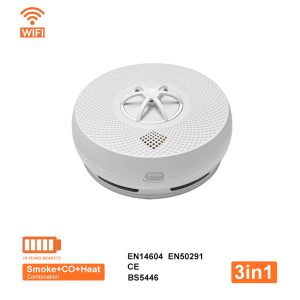
Smoke detectors are generally required in every bedroom, outside each sleeping area (like hallways), and on every level of the home, including the basement. They should also be placed in living areas, such as living rooms, family rooms, or dens, especially on floors without bedrooms.

Specific locations include:
Bedrooms:
Smoke alarms should be inside each bedroom to alert sleeping occupants.
Hallways:
Install detectors in hallways outside of sleeping areas to provide an early warning.
Living Areas:
In areas like living rooms, family rooms, or dens, especially on floors without bedrooms, detectors should be placed to cover general living spaces.
Basements:
Basements, especially those with appliances or potential fire hazards, should have a smoke detector.
Stairways:
Smoke detectors should be placed near stairways to detect smoke rising between levels.
Other Areas:
Depending on the layout and potential fire hazards, detectors may also be recommended in areas like attics (if used for living or storage), home offices, dining rooms, and utility rooms.
Placement Tips:
Ceiling Placement:
Generally, smoke detectors should be mounted on the ceiling, as smoke rises.
Wall Placement:
If wall-mounted, place the detector 4 to 12 inches from the ceiling.
Avoid Obstructions:
Keep detectors away from windows, vents, and drafty areas that could affect their performance.
Avoid Kitchens and Bathrooms:
Avoid placing detectors in kitchens and bathrooms to reduce false alarms from cooking or humidity.
Important Considerations:
Testing:
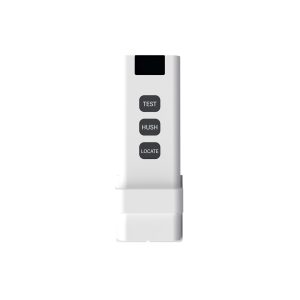
Regularly test smoke detectors to ensure they are functioning properly.
Maintenance:
Replace batteries as needed and replace the entire unit according to manufacturer recommendations (typically every 10 years).
Interconnection:
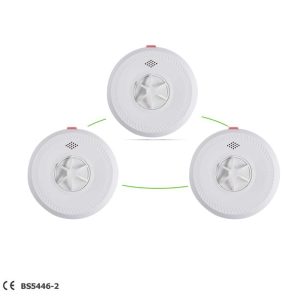
In homes with multiple detectors, consider interconnecting them so that when one alarm sounds, all alarms in the house will sound.
Professional Installation:
For hardwired detectors, it’s recommended to have them installed by a qualified electrician.









Leave A Comment